
Currently Empty: $0.00
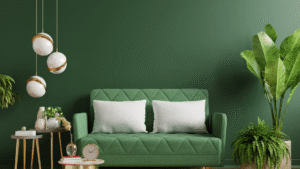
For years, sleek grays, bright whites, and minimalist black accents dominated modern interiors. They looked sharp in photos and offered a clean, gallery-like feel. But step into the most inviting homes of 2025, and you’ll notice a shift—those cool, crisp palettes are giving way to warmth, depth, and nature-inspired colors. Earth tones are no longer a niche choice; they’re shaping the mood of modern design across homes, hotels, and workspaces.
Why We’re Craving Warmer Spaces
Trends in interior design don’t happen in a vacuum. Over the past few years, our homes have played bigger roles in our lives than ever before. They’ve been offices, gyms, sanctuaries, and social hubs. The need for comfort has changed what we value in a space.
Earth tones—rich browns, muted terracottas, sandy beiges, olive greens—bring an organic, grounding feel. They evoke the outdoors without overwhelming the senses, making them perfect for interiors that need to feel both calm and alive.
What “Earth Tones” Actually Means
Earth tones go beyond just browns and greens. The palette is wide and varied:
Warm Neutrals: Taupe, sand, camel, and oatmeal
Deep Natural Shades: Chocolate, burnt umber, terracotta
Muted Greens: Sage, olive, moss
Clay & Rust Tones: Brick red, sienna, ochre
Nature-Inspired Blues: Dusty denim, muted teal
They’re not loud, but they carry presence. That subtlety makes them timeless and adaptable.
The Science of Color and Comfort
It’s not just about aesthetics. Color psychology plays a big role in why earth tones resonate. Warm hues often feel safe and nurturing. Green, associated with nature, promotes calm and balance. Soft browns signal stability. Combined, they create spaces that feel grounded—both emotionally and visually.
Designers are using these colors to soften the edges of modern interiors, making them more approachable without sacrificing sophistication.
From Minimalism to “Warm Minimalism”
Minimalism isn’t disappearing—it’s evolving. The stark, almost clinical white-and-gray version of minimalism is giving way to warm minimalism, where neutral earth tones replace cold tones.
Picture a clean-lined living room with pale oak floors, a camel-colored sofa, a textured wool rug, and soft clay walls. The simplicity is still there, but the palette feels inviting rather than distant.
How Earth Tones Are Appearing in Modern Interiors
1. Walls That Wrap You in Warmth
Beige is back, but not the flat beige of the early 2000s. Today’s beiges have richer undertones—some leaning toward caramel, others toward greige. Accent walls in clay, cinnamon, or olive are replacing harsh contrasts with layered depth.
2. Sofas and Upholstery as Statement Pieces
Instead of gray sectionals, designers are bringing in rust-colored velvet, moss-green linen, or deep chocolate leather. These pieces become the visual heart of the room while staying versatile.
3. Wood Tones and Natural Materials
Medium and dark woods—walnut, acacia, oak—are warming up interiors, often paired with rattan, cane, and stone. These materials connect visually with earth tones and add texture.
4. Textiles That Invite Touch
Wool throws, boucle cushions, jute rugs—all in shades that feel like they came from nature—help layer in warmth without clutter.
5. Earthy Kitchens
White kitchens are giving way to cabinetry in taupe, sage, or even muted terracotta. Paired with natural stone countertops and warm metal hardware, they feel fresh yet timeless.
Pairing Earth Tones with Modern Design Elements
The beauty of earth tones is how well they integrate with the clean lines and functionality of modern design. The trick is balance.
With Black Accents: Black-framed art, slim metal legs on furniture, or matte black lighting keeps the look modern, not rustic.
With Metals: Brushed brass, antique gold, and warm copper blend seamlessly with earthy palettes.
With White: Crisp white trims or ceilings can keep earth tones from feeling too heavy.
With Texture: Smooth modern surfaces paired with raw, tactile materials create depth.
Avoiding the “Too Rustic” Trap
Earth tones can lean into rustic or bohemian territory if not balanced. If your goal is a modern look, keep shapes streamlined. Go for a low-profile sofa in camel leather instead of an overstuffed one. Choose geometric rugs in muted colors instead of busy patterns. Add sculptural lighting to signal contemporary style.
The Role of Lighting
Lighting is what makes or breaks earth tones. Warm light enhances their richness, while overly cool lighting can make them look muddy. Designers often opt for soft white (around 2700K–3000K) bulbs to keep the palette glowing.
Natural light also plays beautifully with these shades, changing their character throughout the day—from sunlit vibrance to evening coziness.
Earth Tones in Different Rooms
Living Room
Rust or olive sofas, layered rugs, wood coffee tables, linen curtains in sand or taupe. Add a black metal floor lamp for modern contrast.
Bedroom
Walls in muted sage or warm beige, a walnut bed frame, and bedding in cream and terracotta. Textured throws keep it tactile.
Kitchen
Cabinetry in deep taupe, light wood open shelving, stone counters with warm veining. Matte brass handles add polish.
Bathroom
Clay-colored tiles, wood vanity, soft cream towels. Earth tones here create a spa-like calm.
Why This Trend Has Staying Power
Unlike some fleeting trends, earth tones have deep roots—literally. They connect to nature, history, and craft. They adapt easily to different styles, from Japandi minimalism to mid-century modern. And they age gracefully; a camel sofa or olive armchair won’t feel dated in five years.
They also align with sustainability trends. As people invest in long-lasting furniture, they’re choosing colors they’ll love long-term.
How to Bring Earth Tones Into Your Home
Start with Textiles – Cushions, throws, and rugs are easy entry points.
Layer Gradually – Combine multiple earth tones for richness.
Balance with Neutrals – White, cream, or black keep the look fresh.
Incorporate Natural Materials – Wood, stone, rattan enhance the palette.
Use Art and Accessories – Terracotta vases, landscape art, or ceramic lamps tie the theme together.
A Final Word
Earth tones are more than a color trend—they’re a design shift toward warmth, comfort, and connection. In modern interiors, they bring balance: grounding sleek lines, softening open spaces, and making rooms feel like places to live, not just to photograph.
Whether you start with a single piece—a camel leather armchair, a sage throw, a walnut coffee table—or commit to an entire palette, earth tones have a way of making a house feel like a home.